
Handling Matched to How You Drive
Shock Tuning in Middleton for vehicles needing suspension adjustments based on weight, terrain, and driving style
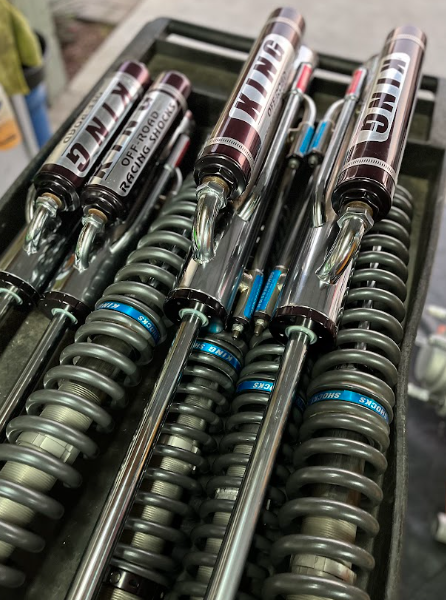
One-size-fits-all suspension settings compromise performance because they cannot account for differences in vehicle weight from added equipment, terrain variations between highway commutes and trail driving, or the specific handling characteristics you need for towing versus unloaded recreational use. Shock tuning adjusts compression and rebound damping rates to match these variables, which produces balanced performance without sacrificing reliability or creating harshness over everyday road surfaces. BReal Performance Services LLC customizes suspension settings for recreational, performance, and work vehicles operating across terrain that ranges from maintained highways to desert and mountain environments throughout the region.
Tuning involves adjusting valving characteristics and damping force curves based on measured vehicle weight distribution, intended use cases, and specific performance goals such as improved stability during towing, better articulation on technical trails, or reduced body roll during spirited driving on winding roads. The process accounts for how additional load from cargo or equipment shifts suspension geometry and where current settings produce either excessive stiffness or inadequate control.
Request a tuning consultation to discuss suspension adjustments that address your vehicle's specific performance requirements.
What Changes After Suspension Tuning Completes
Professional tuning measures current damping rates using calibrated equipment, compares those values to ideal ranges for your vehicle's weight and application, and modifies internal valving or external adjustment mechanisms to bring performance into alignment. The process considers trade-offs between ride comfort on smooth roads and control over rough terrain, ensuring adjustments improve target performance without creating unacceptable compromises elsewhere.
Once tuning is complete, steering response tightens during quick directional changes, suspension movement stays controlled over consecutive bumps without bouncing or feeling overdamped, and the vehicle maintains better tire contact across uneven surfaces. For towing applications, trailer sway diminishes and rear suspension squat reduces during acceleration, while off-road setups gain improved wheel travel and articulation over obstacles without harshness that unsettles the chassis.
Tuning addresses the specific mismatch between factory suspension calibration and your actual vehicle configuration or driving demands, whereas generic adjustments or parts swaps often shift one problem into another area. Custom calibration accounts for interrelated suspension variables that affect how changes in one area influence overall handling balance and ride quality across different driving situations.
Answers to Frequent Service Questions
Drivers considering suspension tuning typically want to understand the process, expected improvements, and how tuning compares to component replacement.
What does shock tuning actually adjust?
Tuning modifies compression and rebound damping rates by changing internal valving, adjusting external knobs to different click positions, or altering fluid viscosity to control how quickly suspension compresses and extends under varying load and terrain conditions.
How does vehicle weight affect tuning requirements?
Added equipment like bumpers, winches, roof racks, or camper shells increases sprung weight and shifts load distribution, requiring damping adjustments to prevent either bottoming under compression or sluggish rebound that leaves suspension packed down after repeated impacts.
Why does local terrain matter for tuning decisions?
Idaho driving includes rapid transitions from smooth pavement to washboard gravel and rocky trails, demanding suspension that handles both high-speed stability and low-speed articulation without creating harshness or excessive body motion.
What improves with proper suspension tuning?
Cornering feels more predictable without abrupt weight transfer, braking remains controlled without excessive nose dive, and off-road sections become smoother as suspension maintains wheel contact instead of skipping across obstacles.
When should I consider tuning instead of upgrades?
If existing shocks are structurally sound but performance feels wrong for how you use the vehicle, tuning addresses calibration mismatches at lower cost than replacement while preserving quality components already installed.
BReal Performance Services LLC provides suspension tuning based on measured vehicle specifications and documented performance goals rather than generic adjustment formulas. Contact us to schedule a consultation where we review your driving needs and current suspension behavior to determine appropriate tuning changes.