
Communication Systems Wired for Trail Reliability
PCI & Accessory installation in Middleton for vehicle communication needs, system integration challenges, and accessory functionality in off-road conditions
Clean, professional wiring and proper system integration separate accessories that work reliably from installations that fail during extended outdoor use. BReal Performance Services LLC installs PCI communication systems and related vehicle accessories across Middleton and southwest Idaho, focusing on off-road, recreational, and performance vehicle applications where vibration, moisture, and electrical noise create frequent installation failures. The difference shows up when intercom systems remain clear during full-throttle runs, radio connections hold through dust clouds, and accessory circuits don't drain batteries during multi-day trips.
Installation work integrates communication equipment, lighting upgrades, and convenience accessories with existing vehicle electrical systems without creating voltage drops, signal interference, or circuit overload. This involves running dedicated power circuits for high-draw accessories, routing signal wires away from ignition components that cause radio static, and sealing connections against moisture intrusion in open-cab vehicles exposed to creek crossings and rain.
Request an accessory consultation to discuss installation options for your specific vehicle and riding environment.
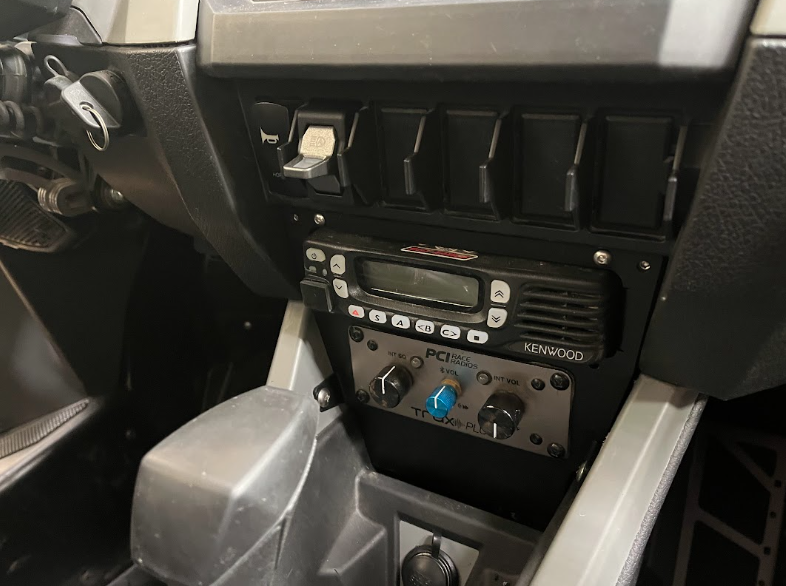
How Proper Integration Improves System Function
Wiring starts with load calculation to verify the vehicle's charging system and battery capacity can support added accessories without voltage sag during idle or low-RPM operation. Installation includes mounting components where they avoid direct trail debris impact, using sealed connectors rated for outdoor exposure, securing wire runs to prevent chafing against frame edges or moving suspension parts, and grounding circuits properly to eliminate feedback noise in audio systems. Attention to wire routing and strain relief prevents failures caused by vibration fatigue—the primary reason communication systems quit working after a season of trail use.
Once the system is operational, you notice clear intercom audio between helmets even at highway speeds, radio reception that doesn't cut out when driving over uneven terrain, and accessories that function reliably without flickering lights or intermittent power loss. Communication between riders in a group stays consistent, which matters during technical trail sections where hand signals don't work and verbal coordination prevents mechanical issues or navigational mistakes.
Accessory options include helmet-to-helmet intercom systems for multi-passenger vehicles, handheld radio integration for trail group communication, auxiliary lighting circuits for night riding or dust conditions, USB charging ports positioned for GPS and phone access, and switch panels that centralize accessory control. The service focuses on functional installations rather than cosmetic builds—priority goes to reliability in demanding environments over visual presentation.
Common Questions About This Service
Vehicle accessory installations raise specific questions because off-road conditions in southwest Idaho create electrical challenges not present in street-driven applications.
What causes communication systems to fail on UTVs?
Vibration breaks solder joints and connector pins, moisture corrodes unsealed terminals, and electrical noise from ignition systems interferes with audio clarity—issues that don't appear during static bench testing but show up immediately on trails.
How are power circuits sized for accessories?
Wire gauge is selected based on accessory amperage draw and wire run length to prevent voltage drop, with fuse ratings matched to protect the circuit without nuisance tripping during momentary current spikes from motor-driven accessories like winches or fans.
Why do some installations drain batteries overnight?
Accessories wired directly to battery power without relay control or improper grounding create parasitic draw that depletes batteries during storage, especially problematic on vehicles used intermittently or stored between riding seasons in Middleton's temperature extremes.
What's included in a typical communication setup?
Basic installations include intercom amplifier mounting, speaker or helmet interface wiring, push-to-talk switch installation, and radio antenna placement, with system setup adjusted for helmet type and ambient noise levels specific to your vehicle configuration.
When should accessories be installed versus added later?
Systems planned together allow optimized wire routing and shared power distribution, while adding accessories individually often requires reworking existing installations to maintain clean integration and avoid electrical conflicts.
BReal Performance Services LLC plans installations around how you'll actually use the equipment, which means accounting for dust exposure, water crossings, temperature swings, and vibration levels typical to Idaho trail riding. Schedule a system design review to map out accessory additions that match your vehicle's electrical capacity and riding priorities.